Imagine a silky, golden drizzle cascading over perfectly poached eggs, each bite bursting with the rich, buttery flavor of Hollandaise Sauce. This luxurious addition transforms an ordinary brunch into a culinary celebration, inviting you to savor the harmonious dance of tangy lemon and velvety texture that lingers on your palate.
Growing up, Sunday mornings were all about indulging in delightful breakfasts where Hollandaise Sauce reigned supreme, often paired with crispy asparagus or flaky pastries. It’s the kind of dish that brings everyone to the table, creating memories filled with laughter and deliciousness, promising a flavor experience that will have you dreaming of brunch long after the plates are cleared.
Why is Hollandaise Sauce so irresistible?
Deliciously rich and creamy, this sauce transforms any dish into a gourmet experience.
Quick and easy to whip up, it’s a perfect choice for busy mornings or last-minute brunches.
Versatile enough to pair with eggs, vegetables, or seafood, you’ll find endless uses!
Crowd-pleasing flavor ensures your guests will rave about your cooking skills.
Elevate your meals effortlessly with this classic, timeless recipe!
Hollandaise Sauce Ingredients
For the Sauce
- Egg yolks – these create a rich, creamy base essential for the perfect hollandaise sauce.
- Lemon juice – adds a bright, tangy flavor that balances the richness of the sauce.
- Unsalted butter – ensures a smooth texture; using unsalted allows you to control the seasoning.
- Salt – enhances the flavors; adjust to taste for best results.
- Cayenne pepper – a pinch adds a subtle warmth and depth to your hollandaise sauce.
How to Make Hollandaise Sauce
1. Melt ½ cup of unsalted butter in a saucepan over low heat. Stir gently until fully melted, allowing the butter to clarify and separate from the milk solids.
2. Whisk 3 large egg yolks in a mixing bowl until they become pale and thick, about 2-3 minutes. This will create a rich base for your creamy sauce.
3. Combine the melted butter with the egg yolks slowly, pouring it in a thin stream while whisking continuously. This technique helps to emulsify the sauce beautifully.
4. Heat the mixture gently over low heat, continuing to whisk until it thickens and coats the back of a spoon, roughly 5-7 minutes. Be cautious not to scramble the eggs!
5. Add 1 tablespoon of lemon juice and a pinch of salt to taste, stirring well to combine. The citrus brightens up the sauce, adding delightful tanginess.
Optional: Garnish with freshly chopped chives for an extra pop of flavor.
Exact quantities are listed in the recipe card below.
Tips for the Best Hollandaise Sauce
- Fresh Ingredients: Use fresh eggs and high-quality butter for the best flavor and texture in your Hollandaise sauce.
- Temperature Control: Keep your bowl and ingredients at room temperature to prevent the sauce from separating during the emulsification process.
- Whisking Technique: Start whisking slowly to combine ingredients, then increase speed. This helps create a stable emulsion, crucial for perfect Hollandaise.
- Avoid Overheating: If using a double boiler, ensure the water doesn’t touch the bowl. Excessive heat can scramble the eggs instead of creating a creamy sauce.
- Fixing Mistakes: If your sauce becomes too thick, whisk in a teaspoon of warm water or lemon juice until you reach your desired consistency.
How to Store and Freeze Hollandaise Sauce

- Room Temperature: Hollandaise sauce should not be kept at room temperature for more than 2 hours to prevent spoilage.
- Fridge: Store leftover Hollandaise sauce in an airtight container in the fridge for up to 3 days. Reheat gently over low heat, whisking constantly.
- Freezer: You can freeze Hollandaise sauce for up to 1 month. Pour it into a freezer-safe container, leaving space for expansion. Thaw in the fridge overnight before reheating.
- Reheating: When reheating, do so slowly on the stove with a splash of water or lemon juice to help regain its silky texture without curdling.
Hollandaise Sauce Variations to Explore
Get ready to elevate your culinary experience by customizing this luscious sauce with simple twists!
- Dairy-Free: Swap out butter for coconut oil or vegan butter for a plant-based delight. This version offers a subtle sweetness that complements savory dishes beautifully.
- Spicy: Add a pinch of cayenne pepper or a splash of hot sauce for a zesty kick. The heat will awaken your taste buds and add an exciting layer to classic recipes.
- Herbed: Incorporate fresh herbs like dill, chives, or tarragon for a fragrant twist. Each herb brings its own unique flavor, transforming the sauce into a garden-fresh experience.
- Lemon Zest: Enhance the citrus flavor by adding lemon zest along with the juice. This brightens the sauce and adds a delightful aroma that invites you to take another bite.
- Garlic: Whisk in minced garlic or garlic powder for a savory depth. The addition creates a rich, aromatic profile that pairs beautifully with eggs and vegetables.
- Mustard: Mix in Dijon mustard for tanginess and complexity. This variation offers an unexpected flavor boost that can elevate your brunch spread.
- Smoky: Add smoked paprika for a warm, smoky note. This twist is perfect for those who love to experiment with bold flavors and bring something unique to the table.
- Nutty: Stir in tahini or almond butter for an earthy richness. This substitution provides creaminess while introducing new flavor dynamics that are sure to impress.
Make Ahead Options
Hollandaise sauce is a delightful addition to many dishes, making it perfect for meal prep. You can prepare the base sauce up to 24 hours in advance; simply whisk together the egg yolks, lemon juice, and seasonings, then store it in an airtight container in the refrigerator. When you’re ready to enjoy your dish, gently reheat the mixture in a double boiler while slowly whisking in melted butter until it reaches that luxurious creamy consistency. To maintain its quality, avoid reheating on direct heat, as this can cause the sauce to separate. With these make-ahead tips for Hollandaise sauce, you’ll save time and ensure a deliciously smooth finish every time!
Hollandaise Sauce Recipe FAQs
What ingredients should I use for the best Hollandaise Sauce?
For a delicious Hollandaise Sauce, always choose fresh, high-quality ingredients. Look for large eggs; the fresher, the better! Use unsalted butter to control the saltiness, and opt for freshly squeezed lemon juice for a bright flavor. If you can find it, organic produce enhances both taste and health benefits.
How should I store leftover Hollandaise Sauce?
Store any leftover Hollandaise Sauce in an airtight container in the refrigerator. It’s best consumed within 1-2 days for optimal freshness and flavor. When ready to use, gently reheat it over a double boiler or in short bursts in the microwave, stirring frequently to maintain that creamy texture.
Can I freeze Hollandaise Sauce?
Freezing Hollandaise Sauce isn’t recommended because it can separate when thawed, losing its silky smooth consistency. However, if you must freeze it, place it in a freezer-safe container and consume within one month. When you’re ready to use it, thaw overnight in the refrigerator and then gently reheat while whisking until smooth.
What do I do if my Hollandaise Sauce is too thick or too thin?
If your sauce turns out too thick, you can whisk in a teaspoon of warm water or melted butter until you reach your desired consistency. Conversely, if it’s too thin, return it to low heat and whisk continuously until it thickens. Remember to be patient; slow cooking allows those flavors to develop beautifully!
Is there a dairy-free alternative for making Hollandaise Sauce?
Absolutely! To make a dairy-free version of Hollandaise Sauce, try using vegan butter instead of regular butter and replace eggs with silken tofu blended with lemon juice and nutritional yeast. This alternative will give you that creamy texture while keeping it plant-based!
Can I add flavors or herbs to my Hollandaise Sauce?
Yes! Personalize your Hollandaise by adding fresh herbs like dill or chives for an aromatic touch. Other options include incorporating spices such as cayenne pepper for heat or even a dash of mustard for tanginess. Just remember to start with small amounts so you don’t overpower that classic flavor!
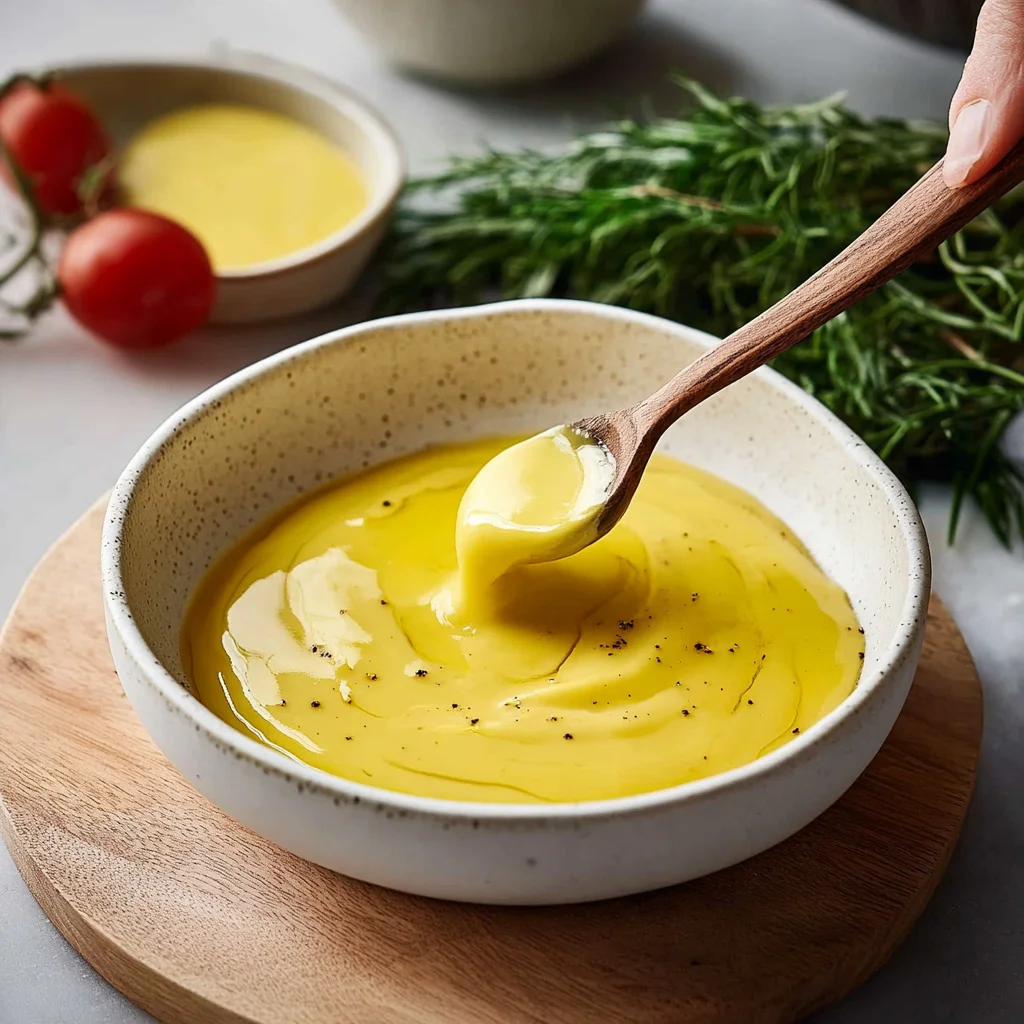
Hollandaise Sauce
Ingredients
Method
- Melt ½ cup of unsalted butter in a saucepan over low heat. Stir gently until fully melted, allowing the butter to clarify and separate from the milk solids.
- Whisk 3 large egg yolks in a mixing bowl until they become pale and thick, about 2-3 minutes.
- Combine the melted butter with the egg yolks slowly, pouring it in a thin stream while whisking continuously.
- Heat the mixture gently over low heat, continuing to whisk until it thickens and coats the back of a spoon, roughly 5-7 minutes.
- Add 1 tablespoon of lemon juice and a pinch of salt to taste, stirring well to combine.


