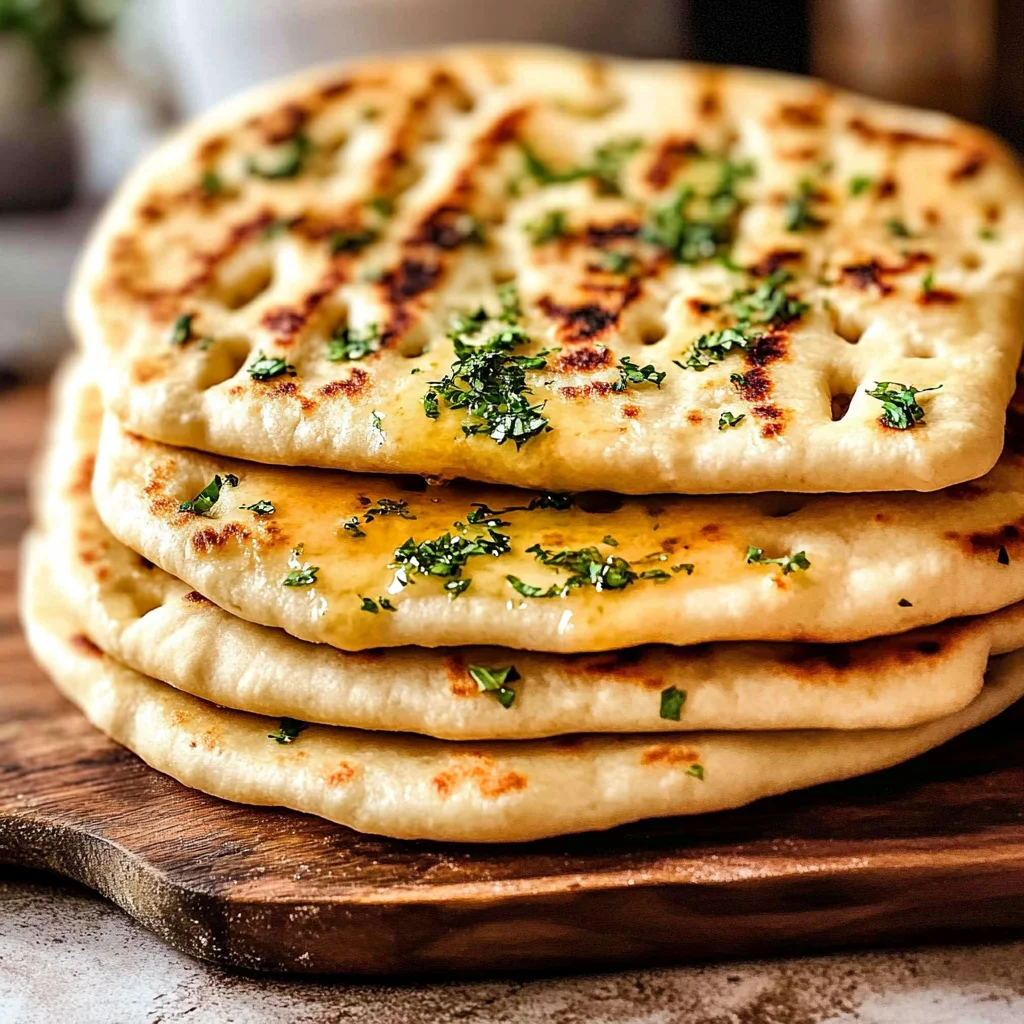
Imagine sinking your teeth into a warm, pillowy flatbread, its golden edges crisped to perfection, while the tantalizing aroma of spices dances around you like a fragrant embrace. Each bite reveals a delightful medley of textures and flavors, from the nutty undertones to the subtle hints of garlic, making this dish an irresistible star at any gathering or cozy night in.
Flatbread has a way of bringing people together, much like those unforgettable summer evenings spent around the grill with friends, laughter echoing in the air. Whether you’re slathering it with creamy dips or piling it high with fresh toppings, this versatile delight promises to elevate your meals and create cherished memories that linger long after the last crumb is gone.
Why is flatbread the ultimate crowd-pleaser?
You’ll adore this recipe for its incredible versatility!
It’s quick to make, ready in under 30 minutes.
Each bite bursts with flavor, making it perfect for any occasion.
You can customize toppings to suit any palate—sweet or savory!
Best of all, it’s a guaranteed hit at gatherings, leaving everyone wanting more.
Flatbread Ingredients
For the Dough
- All-purpose flour – a versatile base for your flatbread; feel free to substitute with whole wheat for a nuttier flavor.
- Warm water – essential for activating the yeast and creating a soft, pliable dough.
- Active dry yeast – make sure it’s fresh for that perfect rise and airy texture.
- Olive oil – adds richness and helps keep the flatbread tender.
- Salt – enhances flavor and balances the dough’s sweetness.
For the Toppings
- Fresh herbs – like rosemary or thyme, they add aromatic depth and vibrant color to your flatbread.
- Garlic – minced or roasted, garlic infuses a delightful flavor that pairs beautifully with flatbread.
- Cheese – mozzarella or feta work wonderfully, melting into gooey goodness atop your warm flatbread.
How to Make flatbread
1. Mix the dry ingredients in a large bowl, combining flour, salt, and any desired herbs for flavor. This creates a flavorful base for your flatbread.
2. Stir in warm water gradually until the dough comes together. It should be slightly sticky but manageable—feel free to adjust with more flour if needed!
3. Knead the dough on a floured surface for about 5-7 minutes until smooth and elastic. The dough should feel soft and spring back when poked.
4. Rest the dough in a covered bowl for at least 30 minutes. This helps the gluten relax, making it easier to roll out later.
5. Divide the rested dough into equal portions, depending on how large you want your flatbreads to be. Aim for golf ball-sized pieces for easy handling.
6. Roll each piece out on a floured surface until thin (about 1/4 inch thick). You’re looking for a nice round shape—don’t worry if it’s not perfect!
7. Cook each flatbread in a preheated skillet over medium-high heat for 2-3 minutes per side until puffed and golden brown. This gives them that beautiful charred flavor.
8. Serve warm, perhaps brushed with olive oil or sprinkled with sea salt for an extra touch of flavor that enhances the flatbread experience.
Optional: Top with fresh herbs or a drizzle of olive oil before serving.
Exact quantities are listed in the recipe card below.
Tips for the Best flatbread
- Perfect Dough Texture: Aim for a soft but not sticky dough. Adjust flour gradually until you achieve a smooth consistency that’s easy to handle.
- Resting Time Matters: Let your dough rest for at least 30 minutes. This relaxes the gluten, making it easier to roll out and resulting in a tender flatbread.
- Even Thickness: Roll your flatbreads to an even thickness. This ensures they cook uniformly; thick spots can remain doughy while thinner areas burn.
- Hot Cooking Surface: Preheat your skillet or baking stone until it’s hot. A properly heated surface gives you those lovely charred spots and fluffy texture.
- Avoid Overcooking: Watch closely while cooking; overcooked flatbread can become tough and dry. Remove them when they puff up and show golden-brown spots for the best results.
How to Store and Freeze flatbread

Room Temperature: Keep flatbread in a resealable plastic bag or wrapped in a clean kitchen towel for up to 3 days. This retains its softness while allowing it to breathe.
Fridge: For longer freshness, store flatbread in an airtight container in the fridge for up to 1 week. Just be sure to wrap it well to prevent drying out.
Freezer: Wrap flatbread tightly in plastic wrap and then place it in a freezer-safe bag. It can last up to 3 months! When ready to use, thaw at room temperature or warm directly on a skillet.
Reheating: To bring back the delightful texture of your flatbread, heat it on a dry skillet over medium heat for about 1-2 minutes per side, or until warmed through. Enjoy your delicious flatbread!
Flatbread Variations to Delight
Explore these fun twists and substitutions to make your flatbread truly your own, igniting your taste buds!
- Gluten-Free: Substitute all-purpose flour with a gluten-free blend for a delightful, inclusive option. Your guests won’t even notice the difference!
- Herb-Infused: Add finely chopped fresh herbs like rosemary or basil into the dough for an aromatic twist. This brings a burst of flavor that elevates every bite.
- Spicy Kick: Mix in crushed red pepper flakes or diced jalapeños for a zesty heat. Enjoy the warmth spreading across your palate with each piece.
- Sweet Twist: Incorporate honey or maple syrup into the dough for a subtly sweet flatbread perfect for breakfast or dessert. Each slice will be a warm hug of flavor.
- Cheesy Delight: Blend shredded cheese into the dough for a rich, savory experience. It melts beautifully, creating cheesy pockets that are irresistible!
- Nutty Texture: Fold in ground flaxseed or chia seeds for added nutrition and crunch. These tiny seeds not only enhance texture but also offer health benefits.
- Veggie Boost: Mix in finely grated zucchini or carrots to sneak in some veggies. This adds moisture and a hint of sweetness without overpowering the classic taste.
- Sweet Spice: Sprinkle cinnamon and sugar on top before baking for an indulgent treat. The aroma alone will have everyone flocking to the kitchen!
Make Ahead Options
Preparing flatbread in advance is a fantastic way to save time during busy weeknights while still enjoying a homemade meal. You can easily make the dough up to 24 hours ahead of time; simply mix the ingredients, knead, and let it rise in the refrigerator. Alternatively, you can cook the flatbreads and store them in an airtight container for up to 3 days. To keep them fresh, layer parchment paper between each flatbread before sealing. When you’re ready to serve, just reheat them on a skillet for a minute on each side until they’re warm and slightly crispy. This makes enjoying your flatbread as easy as pie, or should I say, as easy as bread!
flatbread Recipe FAQs
What type of flour is best for making flatbread?
All-purpose flour is a great choice for a classic flatbread, giving it a good balance of chewiness and tenderness. However, you can also experiment with whole wheat flour for a nuttier flavor or gluten-free alternatives like almond or chickpea flour. Just remember that the texture might vary slightly!
How should I store leftover flatbread?
To keep your flatbread fresh, wrap it tightly in plastic wrap or aluminum foil and store it in an airtight container at room temperature for up to 2 days. If you live in a humid climate, consider refrigerating it to prevent mold. Just be aware that refrigeration may dry it out.
Can I freeze flatbread for later use?
Absolutely! Once your flatbreads have cooled completely, stack them with parchment paper in between to prevent sticking. Place the stack in a resealable freezer bag and freeze them for up to 3 months. To reheat, simply pop them directly onto a hot skillet or microwave them wrapped in a damp paper towel for about 30 seconds.
My flatbread turned out too thick; what went wrong?
A common culprit for thick flatbread is not rolling the dough thin enough before cooking. Aim for about 1/8 inch thickness for that perfect bite! Additionally, make sure your skillet is adequately heated before placing the dough on it—this will help create those lovely bubbles while cooking.
Can I make flatbread vegan or gluten-free?
Absolutely! For a vegan option, simply replace any dairy ingredients with plant-based alternatives—like almond milk instead of regular milk. For gluten-free flatbreads, use a gluten-free all-purpose flour blend and add xanthan gum as needed to help bind the ingredients together.
What can I serve with flatbread?
Flatbreads are incredibly versatile! Pair them with dips like hummus or tzatziki, pile on grilled vegetables and chicken, or use them as a base for mini pizzas. The possibilities are endless—get creative and enjoy every bite!


